
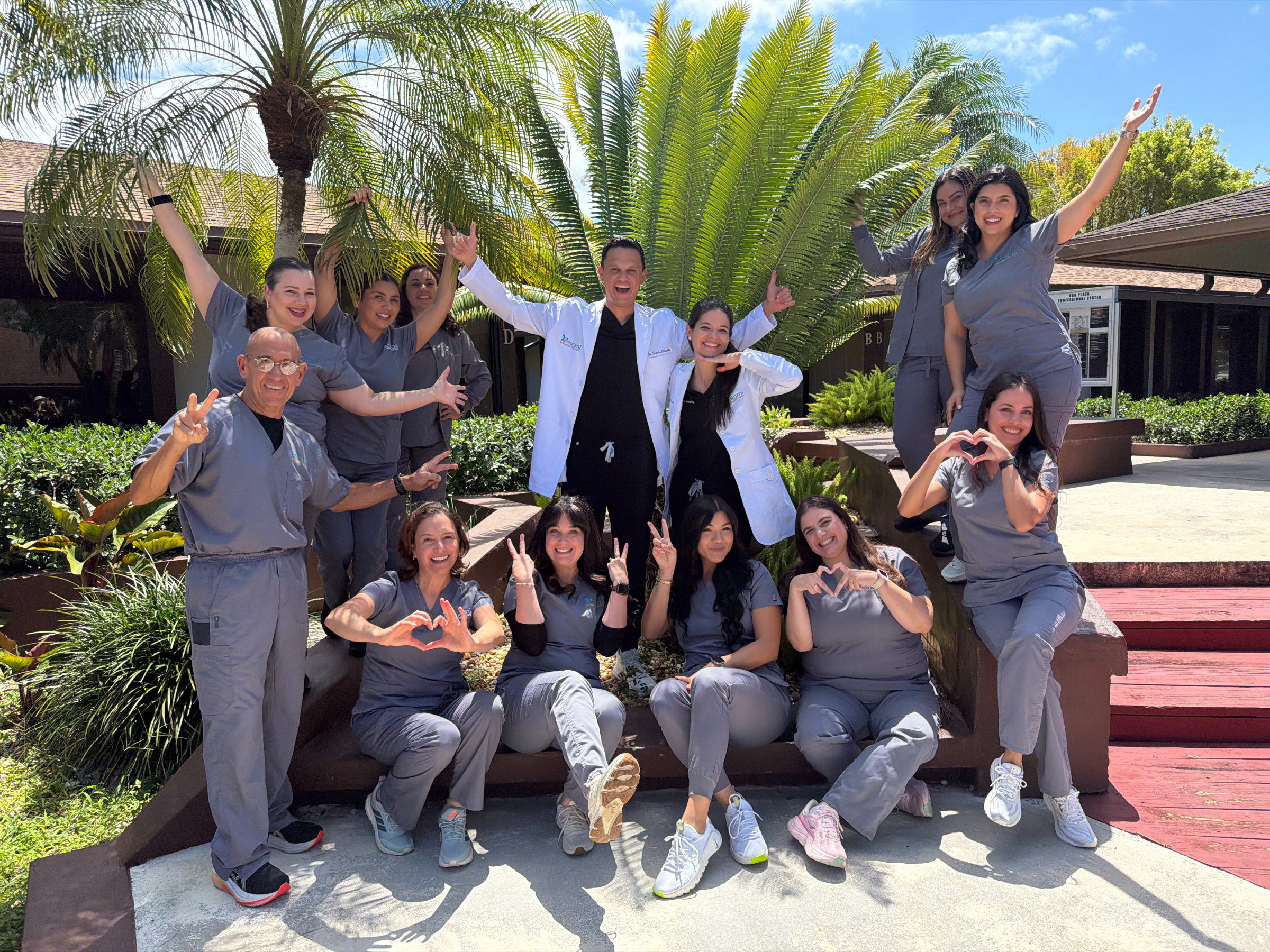
Finding the best orthodontist in Miami starts with understanding what separates a truly exceptional specialist from the rest. A board-certified orthodontist completes two to three years of specialized training beyond dental school, focusing exclusively on tooth movement and facial development. That extra education makes a real difference when you’re trusting someone with your smile.
At Miami Orthodontic Specialists, Dr. Carmen Garcia-Paul brings this level of expertise to every patient. Her board certification places her among a select group of orthodontists who have demonstrated mastery through rigorous examination. But credentials are just the starting point. The right orthodontist for you also depends on the technology they use, how they communicate, and whether their treatment philosophy matches your goals.
How to Evaluate and Choose an Orthodontist
Picking the right orthodontist takes more than a quick Google search. Here’s a practical approach to making this important decision:
Step 1: Verify Board Certification and Credentials
Check the American Board of Orthodontics website to confirm certification. Look for membership in the American Association of Orthodontists, which signals commitment to professional standards and continuing education.
Step 2: Review Treatment Options
The best practices offer multiple options, including:
- Traditional metal braces
- Clear ceramic braces
- Invisalign and clear aligners
- Lingual (behind-the-teeth) braces
A limited menu might mean limited solutions for your specific needs.
Step 3: Read Reviews and View Results
Patient testimonials show what the experience is actually like. Before-and-after photos show real outcomes. Pay attention to cases similar to yours.
Step 4: Schedule a Consultation
Your first visit tells you a lot. Does the orthodontist explain things clearly? Do they use modern diagnostic tools like digital scanners? Do you feel heard?
Step 5: Compare Treatment Plans
Get specifics on timeline, cost, and what’s included. Some offices bundle retainers and follow-up visits. Others charge separately.
Step 6: Consider Practical Factors
Think about office location, available hours, and emergency policies. You’ll have regular appointments for months or years.
Benefits of Choosing a Top-Rated Orthodontist
Working with a highly qualified orthodontist delivers advantages you might not expect.
More predictable results
Advanced diagnostic technology like the iTero digital scanner creates precise 3D models of your teeth. That accuracy translates to better-fitting appliances and fewer adjustments.
Efficient treatment planning
Experience matters. An orthodontist who has handled thousands of cases can often spot the most direct path to your goal. That expertise may shorten your overall treatment time.
Full access to modern techniques
Top orthodontists stay current with new methods. They can offer options that newer or less specialized providers simply don’t have in their toolkit.
Better management of complex cases
Impacted teeth, severe crowding, and surgical cases require advanced training. A board-certified specialist has the background to handle these challenges confidently.
Stronger retention planning
Your results should last a lifetime. The best orthodontists create thorough retention protocols to keep teeth from shifting back.
Orthodontist vs. General Dentist vs. DIY Aligners
| Provider Type | Training Level | Best For | Limitations |
|---|---|---|---|
| Board-Certified Orthodontist | 2-3 years specialty residency after dental school | All case types, including complex | Higher initial cost |
| General Dentist with Aligner Training | Short courses (often days or weeks) | Very mild cases only | Limited experience with complications |
| DIY/Mail-Order Aligners | No in-person exam | Minor cosmetic adjustments | No professional oversight; risk of damage |
The differences come down to training and supervision. Dr. Garcia-Paul completed three years of orthodontics residency focused solely on tooth movement and facial development. A general dentist offering aligners may have taken a weekend course.
Mail-order aligners present the biggest risk. Without in-person exams, underlying issues like gum disease or bone loss can go undetected. Moving teeth without addressing these problems can cause permanent damage. According to the American Association of Orthodontists, in-person evaluation is essential for safe treatment.
Cost differences often reflect these training gaps. You’re paying for expertise, proper diagnosis, and the ability to course-correct when something unexpected happens.
Cost Factors When Choosing an Orthodontist
Orthodontic fees vary based on several factors. Understanding them helps you compare options fairly.
Treatment type
Traditional metal braces typically fall on the lower end of the price range. Ceramic braces cost slightly more. Invisalign sits in the middle for most practices. Lingual braces, which attach behind your teeth, require specialized training and usually cost the most.
Case complexity
Straightening mild crowding takes less time and fewer materials than correcting a severe overbite with crossbite. Your orthodontist can explain how your specific situation affects pricing.
Treatment duration
Longer cases mean more appointments, more adjustments, and more materials. A 12-month case will typically cost less than a 24-month case.
Technology and technique
Practices using 3D scanning, digital treatment planning, and premium materials may charge accordingly.
Insurance and payment options
Many dental insurance plans include orthodontic benefits. HSA and FSA accounts can be used for treatment costs. Miami Orthodontic Specialists offers flexible payment options and works with any budget to make treatment possible.
Ask about what’s included in your quote. Some practices bundle retainers, emergency visits, and post-treatment monitoring. Others itemize these separately.
Who Is a Good Candidate for Orthodontic Treatment?
Almost anyone with healthy teeth and gums can benefit from orthodontic treatment. The American Association of Orthodontists recommends children have their first evaluation by age 7. By then, enough permanent teeth have emerged for an orthodontist to spot developing issues. Early evaluation doesn’t always mean early treatment, but it gives your orthodontist the chance to monitor growth and step in at the right time.
Children (ages 7-10)
Early assessment can identify problems like crossbites, crowding, or jaw growth issues before they become more difficult to treat.
Teens (ages 11-18)
This remains the most common time for braces or Invisalign. Growth patterns can actually help treatment progress.
Adults (any age)
Healthy adults respond well to orthodontic treatment. The process works the same way it does for younger patients. More adults than ever are choosing to improve their smiles.
Common orthodontic problems include:
- Crowded or overlapping teeth
- Gaps between teeth
- Overbite, underbite, or crossbite
- Protruding front teeth
- Teeth that don’t meet properly when biting
Before starting treatment, your orthodontist will make sure your teeth and gums are healthy. Any cavities or gum disease should be addressed first.
Frequently Asked Questions
How do I verify an orthodontist’s board certification?
Visit the American Board of Orthodontics website at americanboardortho.com. You can search by name to confirm certification status. Board certification requires passing thorough written and clinical examinations, showing expertise beyond basic licensure.
What questions should I ask at a consultation?
Ask about the orthodontist’s experience with cases like yours. Request to see before-and-after photos of similar treatments. Inquire about all available treatment options, expected timeline, total cost, and what happens if complications arise. A good orthodontist welcomes these questions.
How long does orthodontic treatment typically take?
Most treatments range from 12 to 24 months, though this varies significantly based on your specific needs. Mild cases may finish sooner. Complex cases involving bite correction or jaw alignment may take longer. Your orthodontist will give you a personalized estimate after examining your teeth.
Is Invisalign as effective as traditional braces?
For many cases, yes. Invisalign can treat crowding, spacing, overbites, underbites, and crossbites effectively. However, some complex cases respond better to traditional braces. Your orthodontist can recommend the best option based on your specific situation.
Does insurance cover orthodontic treatment?
Many dental insurance plans include orthodontic benefits, typically covering a portion of treatment costs. Coverage varies widely between plans. Miami Orthodontic Specialists accepts various insurance options and can help you understand your benefits during your free consultation.
What happens if I move during treatment?
Most orthodontists can transfer your care to a colleague in your new location. Records, treatment plans, and progress notes can be shared. Some practices offer partial refunds for remaining treatment. Discuss this possibility upfront if you anticipate a move.
Start Your Smile Journey Today
Choosing the right orthodontist is one of the most important decisions you’ll make for your smile. Dr. Carmen Garcia-Paul and the team at Miami Orthodontic Specialists combine board-certified expertise with advanced technology to deliver results you’ll love.
Schedule your free consultation to discuss your goals, look at your options, and see why families throughout Miami trust us with their smiles. Call our office today or fill out our online form to get started.